Seeking Professional Help From The Best Eye Doctor in New BEL Road, such as Dr. Nagesh at Yashoda Nethralaya
When it comes to eye health, many people struggle with various conditions that can affect their vision and quality of life. From cataracts to glaucoma, dry eye to refractive errors such as myopia and astigmatism, these eye diseases are common, yet they can significantly impact daily activities. Understanding these conditions, recognizing their symptoms, knowing their causes, and exploring treatment options are crucial steps in maintaining healthy vision.
In this blog, we’ll dive into the details of some of the most prevalent eye diseases and conditions, offering information about their symptoms, causes, and the best treatment options available. Whether you’re already experiencing one of these conditions or want to know how to prevent them, learning more about them can help you stay proactive about your eye health. If you’re looking for expert consultation, don’t hesitate to consult a professional, such as Dr. Nagesh, one of the Best Eye Doctors in New BEL Road.
1. Cataracts: A Common Cause of Vision Impairment
Cataracts are a leading cause of blindness, affecting millions of people worldwide. A cataract is a clouding of the eye’s natural lens, which impairs vision by blocking or scattering light entering the eye. This cloudiness develops slowly, making the symptoms hard to notice at first.
Symptoms of Cataracts
-
Blurred or cloudy vision
-
Difficulty seeing at night
-
Sensitivity to light or glare
-
Fading or yellowing of colors
-
Double vision in one eye
Causes of Cataracts
While cataracts are most commonly related to aging, they can also develop as a result of injury, certain medications (like steroids), genetic factors, or conditions like diabetes.
Treatment for Cataracts
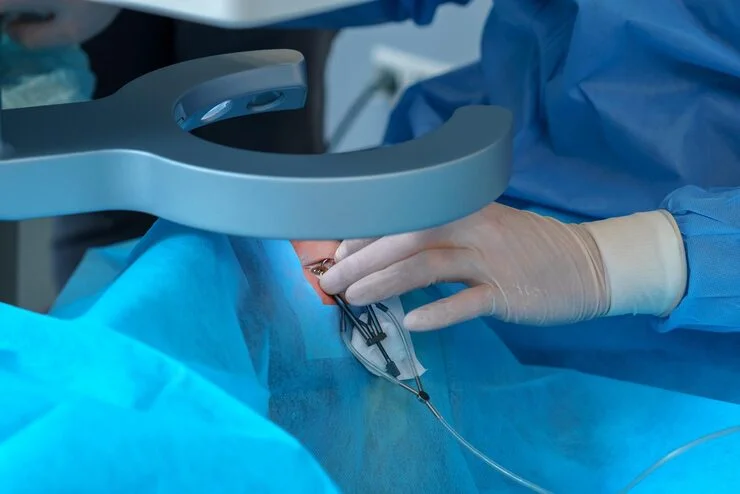
Cataract surgery is the most effective treatment. During this procedure, the clouded lens is removed and replaced with an artificial lens (intraocular lens or IOL). Cataract surgery is generally safe and has a high success rate, providing patients with improved vision.
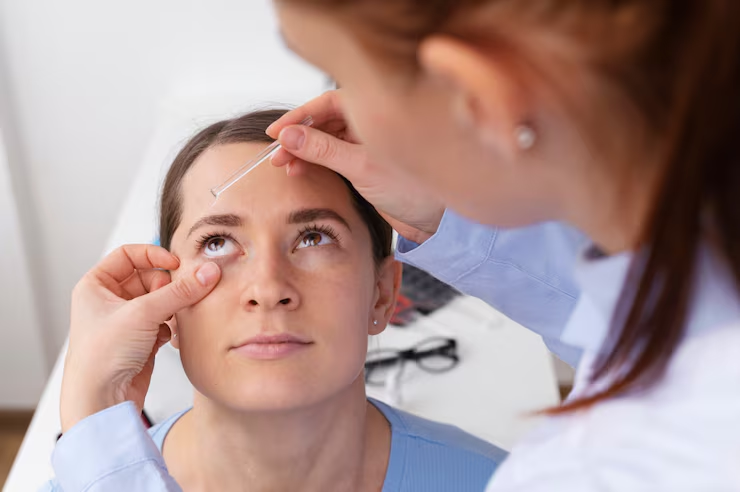
If you suspect that you might be developing cataracts, it’s best to visit an experienced ophthalmologist like Dr. Nagesh, Best Eye Doctor in New BEL Road, to get a proper diagnosis and advice on treatment.
2. Glaucoma: The Silent Vision Thief
Glaucoma refers to a group of eye diseases that damage the optic nerve, which is responsible for transmitting visual information from the eye to the brain. The condition is often linked to high intraocular pressure (IOP), although normal-tension glaucoma also exists. Glaucoma is known as the “silent thief of sight” because it typically develops slowly and painlessly, causing no symptoms until significant damage has occurred.
Symptoms of Glaucoma
-
Gradual loss of peripheral vision
-
Tunnel vision in the advanced stages
-
Sudden loss of vision (in the case of acute angle-closure glaucoma)
-
Eye pain and headaches (in acute cases)
Causes of Glaucoma
Glaucoma develops when there is an imbalance between the production and drainage of the fluid (aqueous humor) inside the eye, which leads to increased pressure. Genetic predisposition, age, ethnicity, and certain medical conditions like diabetes can increase the risk.
Treatment for Glaucoma
Treatment aims to lower intraocular pressure to prevent further optic nerve damage. Options include prescription eye drops, oral medications, laser therapy, or surgical procedures like trabeculectomy or tube shunt surgery. Early detection and regular eye exams are key to managing glaucoma effectively.
If you’re at risk or experiencing symptoms, a visit to the Best Eye Doctor in New BEL Road, such as Dr. Nagesh at Yashoda Nethralaya, can help manage the condition before it progresses to advanced stages.
3. Dry Eye Syndrome: When Your Eyes Don’t Get Enough Moisture
Dry eye syndrome (DES) occurs when the eyes do not produce enough tears or when the tears evaporate too quickly. This condition can lead to discomfort, inflammation, and even damage to the surface of the eye.
Symptoms of Dry Eye
-
A gritty or burning sensation in the eyes
-
Red or inflamed eyes
-
Sensitivity to light
-
Blurred vision
-
Eye fatigue
Causes of Dry Eye
Several factors contribute to dry eye, including age (it becomes more common as people age), environmental conditions (wind, smoke, dry air), prolonged screen use, certain medications, and medical conditions such as rheumatoid arthritis.
Treatment for Dry Eye
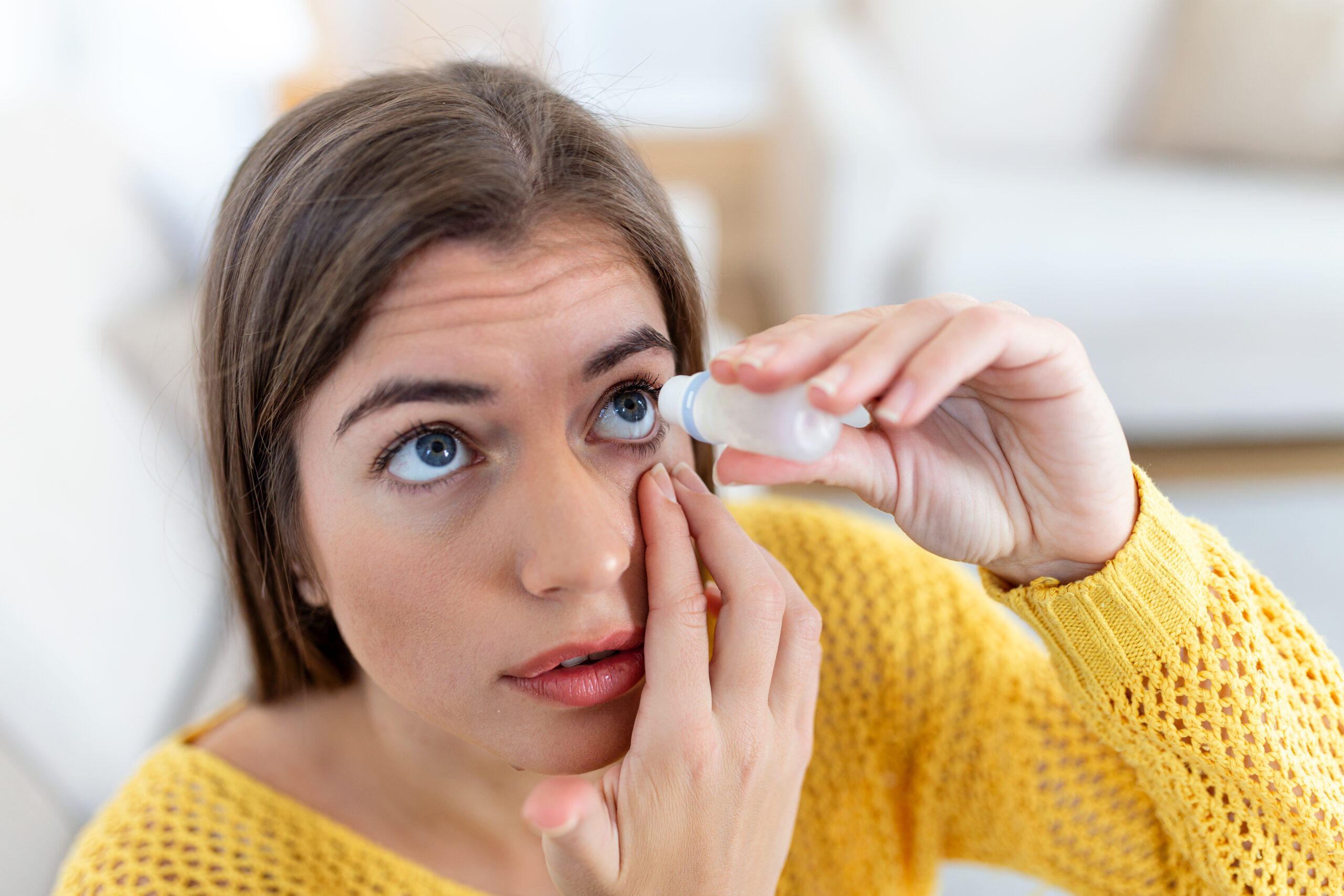
Treatment options for dry eye range from lifestyle changes (e.g., increasing humidity, taking breaks from screens) to over-the-counter artificial tears. For more severe cases, prescription medications like cyclosporine (Restasis) or corticosteroid eye drops may be prescribed. In some cases, surgical options, such as punctal plugs, may be recommended.
To effectively treat dry eyes and alleviate the symptoms, consult an eye care specialist like Dr. Nagesh, the Best Eye Doctor in New BEL Road, who can recommend personalized solutions.
4. Refractive Errors: Myopia, Astigmatism, Hyperopia, and Presbyopia
Refractive errors occur when the shape of the eye prevents light from focusing directly on the retina, leading to blurred vision. The four most common refractive errors are myopia (nearsightedness), hyperopia (farsightedness), astigmatism, and presbyopia (age-related farsightedness).
Symptoms of Refractive Errors
-
Blurry vision
-
Eye strain
-
Headaches
-
Difficulty seeing at night (especially with myopia)
-
Frequent changes in prescription for eyeglasses
Causes of Refractive Errors
Refractive errors are typically hereditary. However, environmental factors such as prolonged close-up work, improper lighting, and excessive screen use can exacerbate these issues.
Treatment for Refractive Errors
The most common treatments for refractive errors include corrective eyeglasses and contact lenses. For long-term correction, refractive surgery such as LASIK or PRK may be an option. Consulting with an ophthalmologist like Dr. Nagesh, a leading Best Eye Doctor in New BEL Road, will help you determine the best treatment to suit your needs.
5. Preventive Measures and Eye Health Tips
While some eye diseases are unavoidable, taking care of your eyes can significantly reduce the risk of many common conditions. Here are some general tips for maintaining healthy vision:
-
Get regular eye exams: Early detection is key to preventing vision loss.
-
Protect your eyes from UV rays by wearing sunglasses.
-
Maintain a healthy diet: Foods rich in antioxidants, vitamin A, C, and E are good for eye health.
-
Take breaks during prolonged screen time to reduce eye strain.
-
Quit smoking: Smoking increases the risk of cataracts and macular degeneration.
FAQs About Eye Diseases and Conditions
-
What is the best way to prevent cataracts?
Regular eye exams and protecting your eyes from UV rays can help reduce the risk of cataracts. -
Can glaucoma be cured?
No, but it can be managed effectively with medication or surgery to prevent further damage. -
How do I know if I have dry eyes?
Symptoms include a gritty feeling, redness, and sensitivity to light. -
Is LASIK surgery safe for correcting refractive errors?
Yes, LASIK is safe for most people, but a consultation with an ophthalmologist is necessary. -
When should I see an eye doctor for a check-up?
It’s recommended to see an eye doctor at least once a year for a comprehensive eye exam, especially if you have a family history of eye disease.
Conclusion
Eye diseases and conditions like cataracts, glaucoma, dry eyes, and refractive errors can be life-altering, but with proper care, they can be managed or prevented. Early detection and seeking professional help from the Best Eye Doctor in New BEL Road, such as Dr. Nagesh at Yashoda Nethralaya, can ensure you maintain healthy vision and live your life without unnecessary impairment.
By understanding the symptoms, causes, and treatments of these common eye conditions, you can take proactive steps to protect your eye health. Make an appointment with an eye doctor today to keep your vision sharp and clear!