Keratoconus Treatment in Yelahanka: When Glasses Are Not Enough
For many people, blurry vision is usually corrected with a simple pair of glasses. But what happens when your vision continues to worsen even after updating your prescription? If you find yourself changing glasses frequently, struggling with distorted vision, or experiencing increased sensitivity to light, there may be an underlying condition called keratoconus.
Keratoconus is a progressive eye disorder that affects the shape of the cornea and can significantly impact vision if left untreated. While glasses may help during the early stages, they often become insufficient as the condition progresses. Understanding when to seek professional care and exploring advanced treatment options can make a significant difference in preserving your vision.
If you are looking for specialized Keratoconus Treatment in Yelahanka, early diagnosis and timely intervention are essential for preventing further vision deterioration. At Yashoda Nethralaya, advanced diagnostic tools and modern treatment options are available to help patients manage keratoconus effectively.
What is Keratoconus?
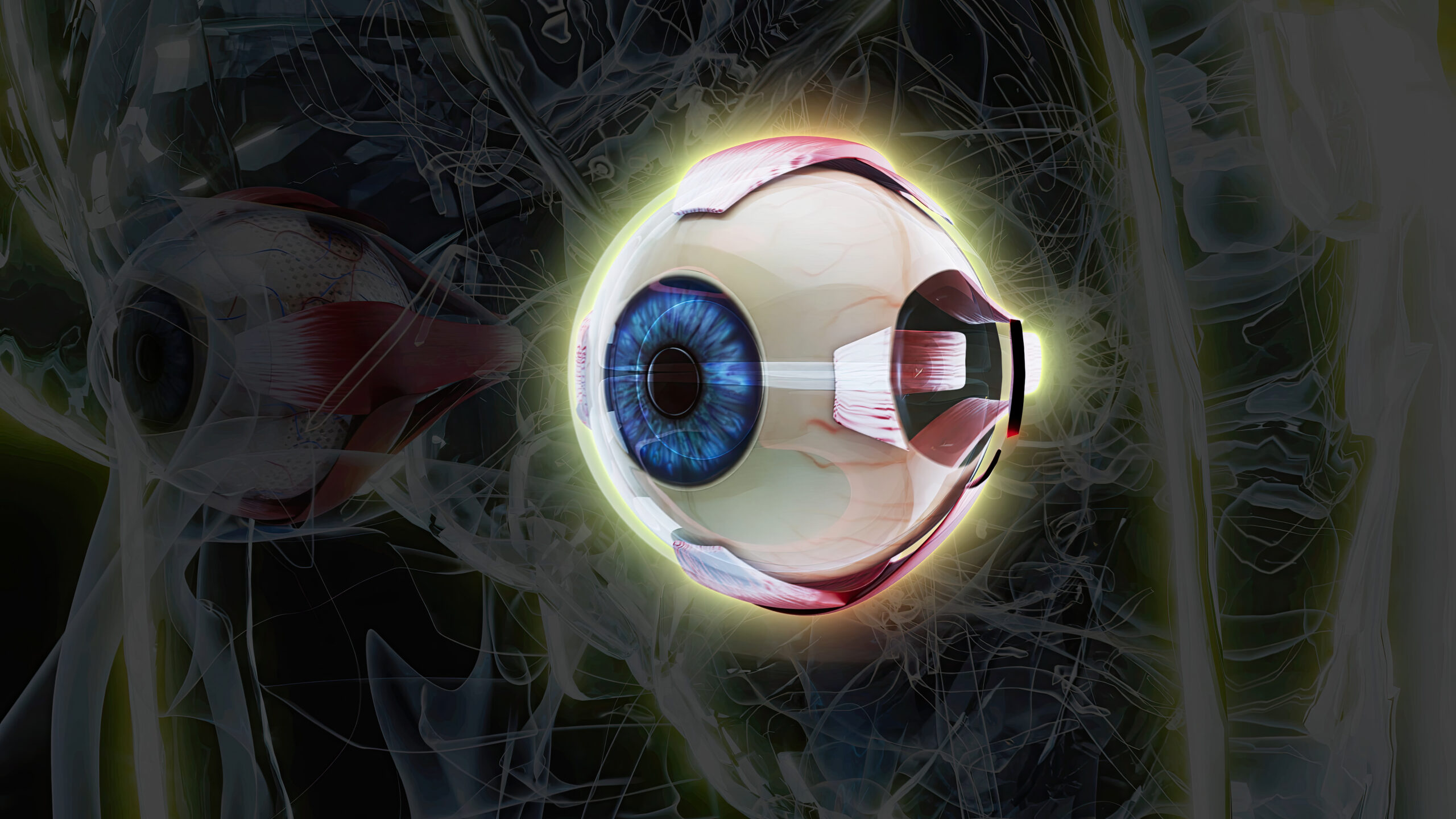
The cornea is the clear, dome-shaped front surface of the eye that helps focus light onto the retina. In keratoconus, the cornea gradually becomes thinner and bulges outward into a cone-like shape. This irregular shape causes light to focus unevenly, leading to distorted and blurry vision.
The condition often begins during the teenage years or early adulthood and may progress over time. Without proper treatment, it can significantly affect daily activities such as reading, driving, working on computers, and recognizing faces.
Signs That Glasses May No Longer Be Enough
Many patients initially manage keratoconus with spectacles. However, as the condition advances, glasses may no longer provide clear vision.
Common warning signs include:
- Frequent changes in spectacle prescription
- Increasingly blurred or distorted vision
- Double vision in one eye
- Difficulty seeing at night
- Glare and halos around lights
- Increased sensitivity to bright light
- Eye strain and headaches
If you notice any of these symptoms, it is important not to ignore them. Seeking expert Keratoconus Treatment in Yelahanka can help slow progression and protect your eyesight before permanent damage occurs.
What Should I Do If I Suspect Keratoconus?
The first step is to schedule a comprehensive eye examination.
Advanced diagnostic tests such as corneal topography and corneal thickness mapping can accurately detect keratoconus, even in its earliest stages. Early diagnosis allows doctors to intervene before significant vision loss develops.
At Yashoda Nethralaya, patients undergo detailed corneal evaluation using modern technology to assess the severity of the condition and determine the most appropriate treatment plan. The hospital offers specialized corneal care, refractive surgery services, and keratoconus management under one roof.
What Happens If Keratoconus Is Left Untreated?
One of the most common questions patients ask is, “What happens if I delay treatment?”
Keratoconus is a progressive condition. Without intervention, the cornea may continue to thin and bulge, resulting in:
- Severe visual distortion
- Inability to achieve clear vision with glasses
- Increased dependence on specialty contact lenses
- Corneal scarring
- Significant vision impairment
- Need for corneal transplantation in advanced cases
Early treatment often helps stabilize the condition and reduces the likelihood of requiring more invasive procedures later.
Modern Treatment Options for Keratoconus
Fortunately, advancements in ophthalmology have made keratoconus management more effective than ever.
Corneal Cross-Linking (CXL)
Corneal Cross-Linking is one of the most widely recommended treatments for progressive keratoconus.
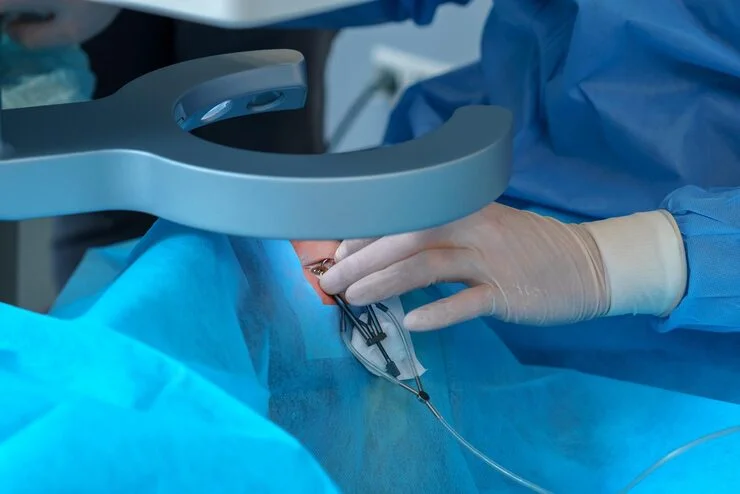
The procedure uses riboflavin (Vitamin B2) eye drops combined with ultraviolet light to strengthen corneal collagen fibers. This helps stabilize the cornea and slow or stop further progression of the disease.
Specialty Contact Lenses
For patients whose vision cannot be corrected adequately with glasses, specialized lenses may be recommended.
These include:
- Rigid Gas Permeable (RGP) lenses
- Hybrid lenses
- Scleral lenses
These lenses provide a smoother optical surface and significantly improve visual quality.
Corneal Transplantation
In advanced cases where significant corneal scarring or thinning has occurred, corneal transplantation may be necessary.
Modern corneal transplant techniques have achieved excellent success rates and can restore useful vision for many patients.
How Long Does Treatment Take?
The treatment timeline depends on the severity of the condition and the chosen procedure.
For example:
- Comprehensive evaluation: Typically completed in one visit.
- Corneal Cross-Linking: Usually performed as a day-care procedure.
- Recovery after Cross-Linking: Initial healing generally occurs within a few days, while visual stabilization may take several weeks.
- Specialty lens fitting: May require multiple appointments for optimal fitting and comfort.
Your ophthalmologist will provide a personalized treatment timeline based on your condition.
Can I Continue My Daily Activities?
Yes, in most cases.
Many patients continue working, studying, and performing routine activities during treatment and recovery. However, temporary adjustments may be required depending on the procedure performed.
Patients should:
- Avoid rubbing their eyes
- Follow prescribed medications carefully
- Attend regular follow-up appointments
- Protect their eyes from dust and irritation
Following these recommendations can improve treatment outcomes and help preserve long-term vision.
Why Choose Yashoda Nethralaya?
When searching for an experienced Eye Hospital in Bangalore, choosing a center with expertise in corneal disorders is important.
Yashoda Nethralaya is committed to delivering comprehensive eye care using advanced technology and evidence-based treatments. The hospital provides specialized services including keratoconus treatment, corneal transplantation, cataract surgery, LASIK, SMILE, PRK, glaucoma management, and retinal care.
Expert Care by Dr. Nagesh B N
At Yashoda Nethralaya, patients receive specialized care from Dr. Nagesh B N, a Cataract, Cornea, and Refractive Surgery Specialist with over 15 years of experience. Having performed thousands of cataract surgeries, corneal procedures, and refractive surgeries, he has extensive expertise in managing keratoconus and complex corneal disorders.
Patients seeking Keratoconus Treatment in Yelahanka benefit from his experience, advanced surgical expertise, and patient-centered approach.
As a trusted Eye Hospital in Bangalore, Yashoda Nethralaya focuses on accurate diagnosis, personalized treatment planning, and long-term vision preservation.
Take the Right Step Before Vision Gets Worse
Keratoconus does not usually improve on its own. The earlier it is diagnosed, the better the chances of preserving vision and avoiding advanced complications.
If your glasses are no longer providing clear vision, do not wait for symptoms to worsen. Schedule a comprehensive eye evaluation and explore advanced treatment options available today.
With expert guidance, modern technology, and personalized care, Keratoconus Treatment in Yelahanka can help you protect your vision and maintain a better quality of life for years to come.
Book your consultation at Yashoda Nethralaya today and take the first step toward clearer, healthier vision.