Glaucoma is often called the “silent thief of sight” because it can gradually damage your vision without causing noticeable symptoms in its early stages. By the time many people realize something is wrong, permanent vision loss may have already occurred. The good news is that early diagnosis and timely treatment can slow or prevent further damage, making regular eye examinations essential.
If you have a family history of glaucoma, diabetes, high eye pressure, or are over the age of 40, routine screening becomes even more important. Consulting an experienced Glaucoma Specialist in Bangalore can help detect the condition early and preserve your vision for years to come.
This guide explains the symptoms, causes, treatment options, recovery, and when you should seek expert care for glaucoma.
What Is Glaucoma?
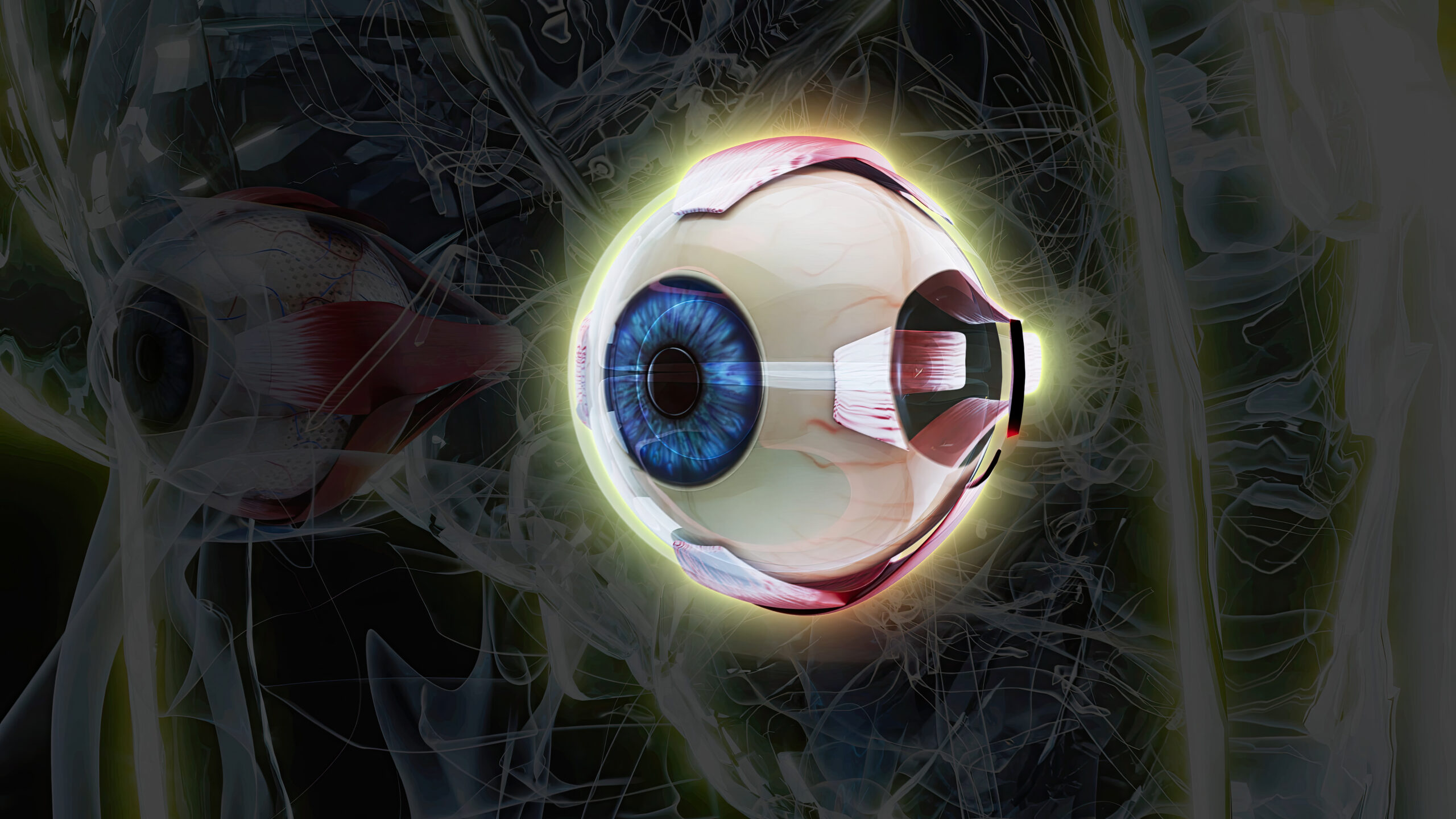
Glaucoma is a group of eye diseases that damage the optic nerve, which carries visual information from the eye to the brain. In many cases, the damage is caused by increased pressure inside the eye, known as intraocular pressure. However, glaucoma can also develop even when eye pressure is within the normal range.
Since optic nerve damage cannot be reversed, early detection is the key to protecting vision. At Yashoda Nethralaya, comprehensive glaucoma services include advanced diagnosis, treatment, and long-term monitoring to help preserve eyesight.
Why Is Glaucoma Called the Silent Thief of Sight?
Unlike cataracts or refractive errors, glaucoma usually develops slowly and painlessly. Most patients do not notice any changes until peripheral (side) vision has already been affected.
Because the disease progresses silently, regular eye check-ups are often the only way to diagnose glaucoma before significant vision loss occurs.
Seeking consultation with a Glaucoma Specialist in Bangalore can help identify glaucoma during its earliest stages, when treatment is most effective.
Common Glaucoma Symptoms
Early glaucoma may not produce obvious symptoms. As the disease progresses, patients may experience:
Gradual Loss of Peripheral Vision
One of the earliest signs is difficulty noticing objects to the side while central vision remains clear.
Blurred Vision
Some patients notice difficulty focusing or experience hazy vision as optic nerve damage progresses.
Eye Pain and Headache
In acute angle-closure glaucoma, severe eye pain, headache, nausea, and blurred vision can occur suddenly and require immediate medical attention.
Halos Around Lights
Seeing rainbow-colored halos around lights may indicate increased eye pressure.
Reduced Vision in Advanced Stages
Without treatment, glaucoma can eventually affect central vision, significantly impacting daily activities.
Since symptoms often appear late, comprehensive eye examinations are far more reliable than waiting for warning signs.
What Causes Glaucoma?
Several factors increase the risk of developing glaucoma.
Increased Eye Pressure
Fluid inside the eye may not drain properly, leading to elevated intraocular pressure that damages the optic nerve.
Age
People over 40 have a higher risk, with the likelihood increasing further after 60.
Family History
Having a close family member with glaucoma significantly increases your risk.
Diabetes and High Blood Pressure
These medical conditions may contribute to optic nerve damage and increase glaucoma risk.
Long-Term Steroid Use
Prolonged use of steroid eye drops or medications may increase eye pressure in some individuals.
Understanding these risk factors allows early screening and timely intervention.
When Should You See a Doctor?
You should schedule an eye examination if you:
- Are over 40 years of age
- Have a family history of glaucoma
- Have diabetes or hypertension
- Experience blurred vision
- Notice reduced side vision
- See halos around lights
- Have sudden eye pain or redness
Regular intraocular pressure measurement and optic nerve evaluation are important even if your vision appears normal.
Patients seeking Glaucoma Treatment in Yelahanka should not wait until symptoms develop, as early diagnosis offers the best chance of preserving vision.
How Is Glaucoma Diagnosed?
An ophthalmologist may recommend several tests to assess eye health.
These include:
Comprehensive Eye Examination
A detailed evaluation of overall eye health.
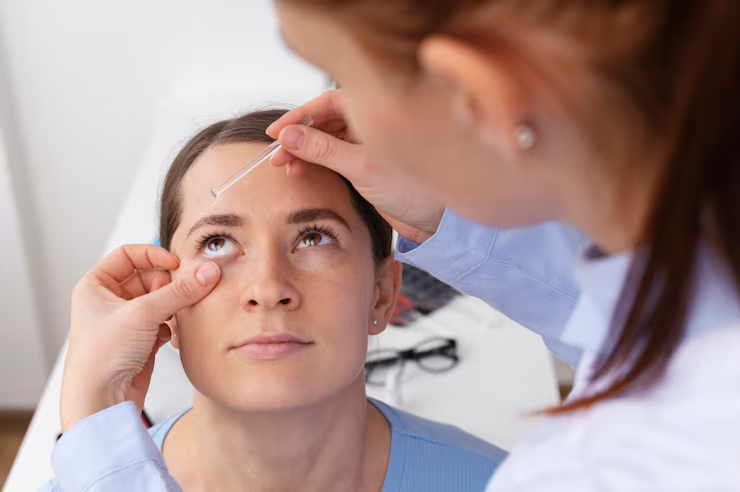
Intraocular Pressure Measurement
Checks the pressure inside the eye to identify elevated pressure.
Optic Nerve Assessment
The optic nerve is examined for early signs of damage.
Visual Field Test
Measures peripheral vision to detect functional vision loss.
OCT Imaging
Optical Coherence Tomography provides detailed images of the optic nerve and retinal nerve fiber layer for early detection and monitoring.
These advanced diagnostic tools help determine the stage of glaucoma and guide treatment decisions.
Glaucoma Treatment Options
Although glaucoma cannot be cured, treatment can effectively slow disease progression and preserve remaining vision.
Eye Drops
Prescription eye drops are often the first line of treatment and help reduce eye pressure.
Oral Medications
In selected cases, medications may be used alongside eye drops to further lower intraocular pressure.
Laser Treatment
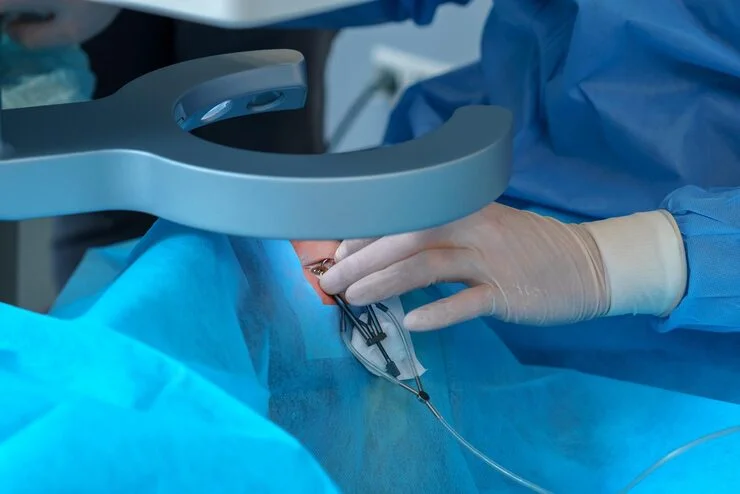
Laser procedures improve fluid drainage and help control eye pressure without traditional surgery.
Long-Term Monitoring
Regular follow-up visits are essential because glaucoma requires lifelong management.
Patients receiving Glaucoma Treatment in Yelahanka benefit from personalized treatment plans based on disease severity and individual risk factors.
When Is Glaucoma Surgery Needed?
Surgery may be recommended when medications and laser treatments fail to adequately control eye pressure.
Common surgical options include:
- Trabeculectomy
- Glaucoma drainage devices
- Minimally invasive glaucoma surgery (MIGS) in suitable patients
The choice of surgery depends on the type of glaucoma, disease severity, and the patient’s overall eye health.
Recovery After Glaucoma Treatment
Recovery varies depending on the treatment received.
Patients treated with medications usually continue normal activities while attending regular follow-up appointments.
After laser procedures, most patients recover within a few days.
Following glaucoma surgery, recovery generally takes several weeks. During this period, eye drops, follow-up visits, and activity restrictions help ensure proper healing.
Even after successful treatment, lifelong monitoring remains essential to prevent further optic nerve damage.
Benefits of Early Treatment
Early diagnosis offers several important benefits:
- Preserves existing vision
- Slows disease progression
- Reduces risk of blindness
- Improves quality of life
- Allows less invasive treatment in many cases
Because glaucoma-related vision loss is irreversible, early intervention is always preferable to delayed treatment.
Expert Glaucoma Care at Yashoda Nethralaya
Yashoda Nethralaya is a comprehensive eye care centre in Yelahanka offering advanced diagnostic facilities and treatment for glaucoma, cataracts, corneal disorders, refractive errors, retinal diseases, and pediatric eye conditions. The hospital is equipped with modern technology for intraocular pressure measurement, optic nerve evaluation, and long-term glaucoma management under one roof.
Patients looking for a trusted Glaucoma Specialist in Bangalore receive personalized care focused on protecting vision through early diagnosis and evidence-based treatment.
Meet the Experts
Yashoda Nethralaya is led by Dr. Nagesh B N, MBBS, MD, FICO, a Cataract, Cornea, and Refractive Surgery Specialist trained at AIIMS, New Delhi. With over 15 years of experience and thousands of successful eye procedures, he leads a skilled team dedicated to comprehensive eye care. The expert team also includes Dr. Ravi B and Dr. Pinto Kiran, providing advanced ophthalmic services, including glaucoma diagnosis and management.
Protect Your Vision Before It’s Too Late
Glaucoma often develops silently, but its consequences can be permanent. The best way to protect your eyesight is through regular eye examinations, especially if you have risk factors such as age, diabetes, or a family history of glaucoma.
If you are experiencing symptoms or are due for an eye check-up, schedule a consultation for Glaucoma Treatment in Yelahanka. Early diagnosis by an experienced Glaucoma Specialist in Bangalore can help preserve your vision and maintain your quality of life for years to come.
Frequently Asked Questions
1. Can glaucoma be cured completely?
No. Glaucoma cannot be cured, but early diagnosis and treatment can slow its progression and help preserve remaining vision.
2. What are the early glaucoma symptoms?
Most patients experience no symptoms in the early stages. As the disease progresses, peripheral vision loss, blurred vision, halos around lights, or eye pain may occur.
3. Who is at higher risk of glaucoma?
People over 40, individuals with diabetes, high blood pressure, a family history of glaucoma, or those using long-term steroid medications are at greater risk.
4. How often should I get screened for glaucoma?
Adults over 40 or those with risk factors should undergo regular comprehensive eye examinations as advised by their ophthalmologist to detect glaucoma early.
5. Choose Yashoda Nethralaya for glaucoma treatment?
Yashoda Nethralaya offers comprehensive glaucoma diagnosis, advanced eye imaging, intraocular pressure evaluation, modern treatment options, and expert care from experienced ophthalmologists, helping patients protect their vision through timely and personalized management.