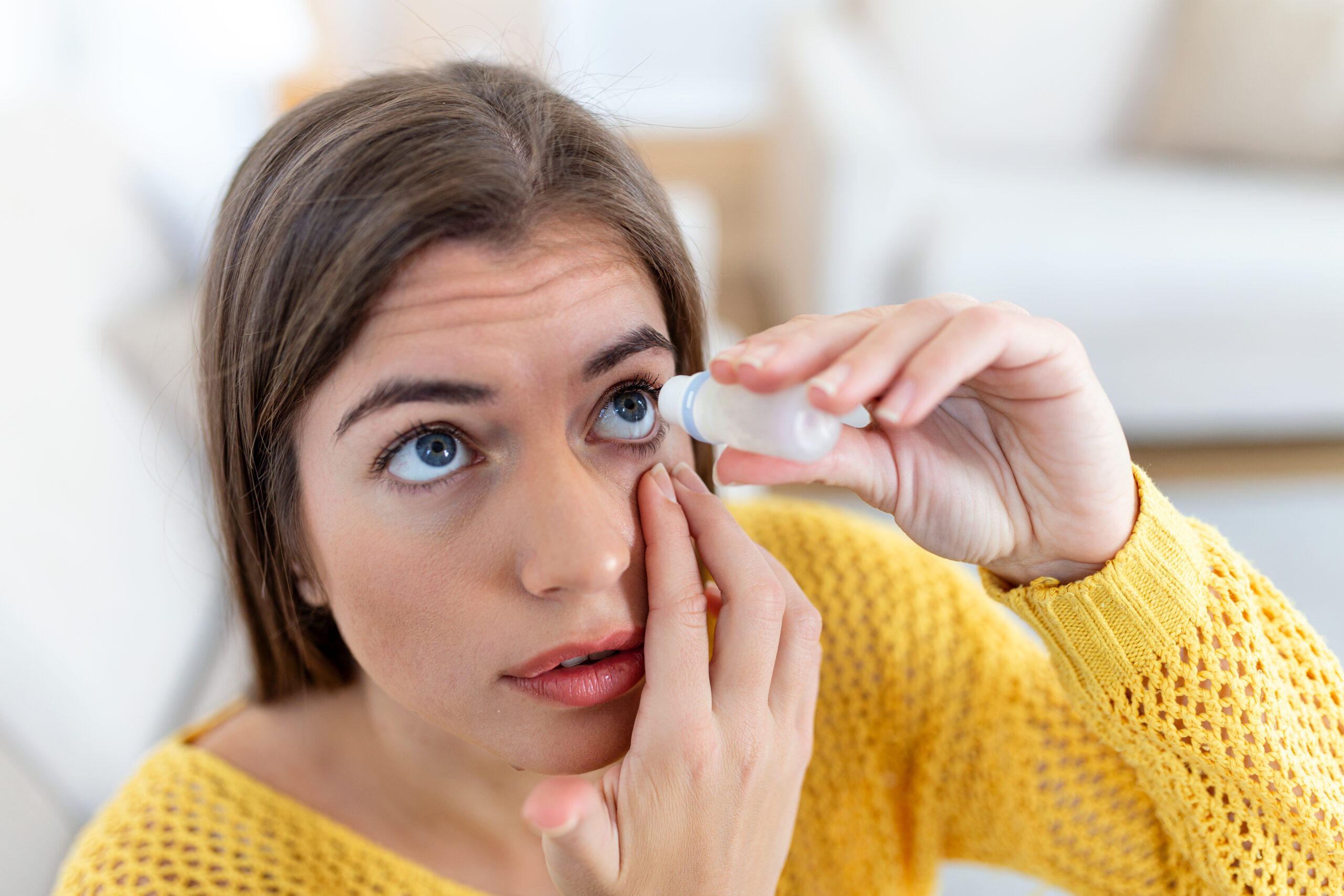
Do your eyes water while reading, using your phone, stepping outside, or even when you are simply sitting at home?
Occasional watering is normal. Tears help keep the surface of your eyes comfortable and healthy. But if your eyes are watering constantly, repeatedly or for no obvious reason, it may be a sign that something is affecting your tear film or tear-drainage system.
Many people assume that watery eyes simply mean they are producing too many tears. In reality, blocked tear drainage, dry eyes, allergies, eyelid problems and irritation can all cause excessive watering.
If you are looking for Watery Eyes Treatment in Yelahanka New Town, understanding the possible causes can help you know when an eye examination may be necessary.
Why Do My Eyes Keep Watering?
Constantly watery eyes can have several causes, including dry eyes, allergies, eye irritation, infections, blocked tear ducts, eyelid problems and exposure to wind or smoke.
Interestingly, dry eyes can also cause excessive watering. When the eye surface becomes dry or irritated, the eyes may produce reflex tears that do not adequately relieve the underlying problem.
The appropriate treatment depends on the cause. Some patients may improve with lubricating eye drops or treatment for allergies, while others with a blocked tear duct may require a procedure or surgery.
1. Dry Eyes Can Actually Cause Watery Eyes
It may seem strange, but dry eyes are one of the possible causes of excessive watering.
When the surface of the eye becomes dry, the body may respond by producing more watery tears. These reflex tears can spill over the eyelid rather than forming a stable tear film.
You may also experience:
- Burning or stinging
- Gritty sensation
- Redness
- Fluctuating vision
- Eye fatigue
- Sensitivity to wind or air conditioning
If watering occurs particularly while using digital screens or spending time in dry environments, dry eye may be contributing to the problem.
Treatment depends on the severity and cause and may include lifestyle measures, lubricating drops or other treatment recommended by an ophthalmologist.
2. Allergies Can Make Your Eyes Water
Eye allergies can trigger excessive tearing along with itching, redness and irritation.
Common triggers may include:
- Dust
- Pollen
- Pet allergens
- Air pollution
- Certain environmental irritants
Allergy-related watering often affects both eyes and may occur alongside sneezing or a runny nose.
Avoiding known triggers and receiving appropriate treatment can help control symptoms. However, persistent or severe symptoms should be evaluated rather than repeatedly using medication without professional guidance.
3. Something May Be Irritating Your Eyes
Your eyes can water when exposed to irritants such as:
- Smoke
- Dust
- Strong wind
- Pollution
- Chemical fumes
- Foreign particles
The watering is often a protective response designed to wash away the irritant.
If the watering continues after the suspected irritant has been removed, or if you develop pain, redness or blurred vision, an eye examination may be appropriate.
4. A Blocked Tear Duct May Be the Cause
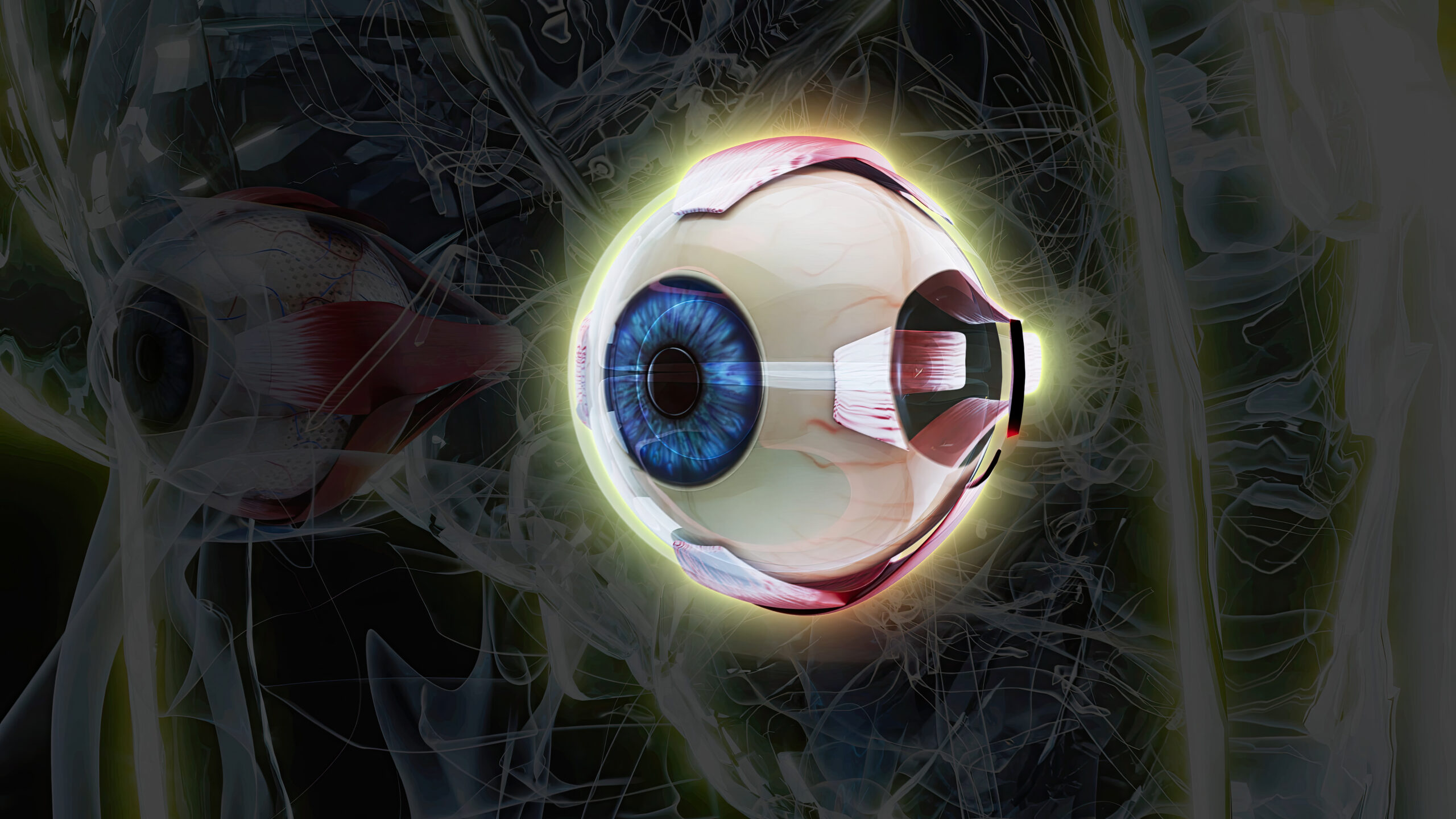
Normally, tears drain from the surface of the eye through tiny openings near the inner corner of the eyelids and travel through the tear-drainage system into the nose.
If this pathway becomes narrowed or blocked, tears cannot drain normally.
Instead, they may overflow onto your cheeks.
A blocked tear duct may cause:
- Persistent watering
- Tears overflowing onto the face
- Recurrent eye infections
- Discharge near the inner corner of the eye
- Irritation around the eyelids
If watering is consistently affecting one eye, particularly without an obvious trigger, a blocked tear duct may need to be considered.
5. Eyelid Problems Can Affect Tear Drainage
The eyelids help spread tears across the eye and direct them toward the tear-drainage openings.
Changes in eyelid position or function can interfere with this process.
Conditions affecting the eyelid may cause excessive tearing, irritation or exposure of the eye surface.
An ophthalmologist can examine the eyelids and surrounding structures to determine whether they are contributing to the watering.
6. Eye Infections Can Cause Excessive Tearing
Certain infections can cause watering along with:
- Redness
- Discharge
- Swelling
- Irritation
- Burning
- Sensitivity to light
Treatment depends on whether the problem is caused by a viral, bacterial or other type of infection.
Avoid using leftover prescription eye drops without medical advice, particularly steroid-containing drops, as inappropriate use can sometimes worsen certain eye conditions.
7. Contact Lenses May Be Irritating Your Eyes
Contact lenses can sometimes contribute to dryness, irritation and excessive watering, particularly if they are worn for longer than recommended or are not cared for properly.
If your eyes repeatedly water while wearing contact lenses, remove them as appropriate and discuss the symptoms with an eye-care professional.
Pain, significant redness, light sensitivity or reduced vision while wearing contact lenses requires prompt medical attention because some contact-lens-related eye infections can be serious.
When Should Watery Eyes Concern You?
Occasional watering is usually not a reason for alarm.
However, you should consider an eye examination if:
- Your eyes water every day
- The problem continues for weeks
- One eye is consistently watering
- You have recurrent eye discharge
- Watering is affecting your vision
- You experience persistent redness or irritation
- You have repeated eye infections
- Tears constantly overflow onto your face
The cause cannot always be identified from symptoms alone.
A comprehensive examination can help determine whether the problem involves the eye surface, eyelids or tear-drainage system.
What Happens During a Watery Eyes Evaluation?
When you visit an ophthalmologist for excessive watering, your doctor will first understand your symptoms and medical history.
The examination may include assessment of:
- Tear-film stability
- Eyelids
- Eye surface
- Tear-drainage openings
- Cornea
- Conjunctiva
- Overall eye health
If a blocked tear duct is suspected, your ophthalmologist may recommend additional tests to evaluate the tear-drainage pathway.
This helps determine whether the watering is caused by excessive tear production, poor drainage or a combination of both.
How Are Watery Eyes Treated?
There is no single treatment for watery eyes because the treatment depends on the underlying cause.
For dry eyes
Treatment may include lubricating eye drops and measures to improve the eye’s surface environment.
For allergies
Your doctor may recommend appropriate anti-allergy treatment and measures to reduce exposure to triggers.
For infections
Treatment depends on the type and severity of infection.
For blocked tear ducts
If tear drainage is obstructed, treatment may involve procedures to improve drainage. In some patients, surgery may be recommended depending on the location and severity of the blockage.
For eyelid-related problems
Treatment is based on the specific eyelid condition and may range from medical management to corrective surgery.
When Is Tear Duct Surgery Considered?
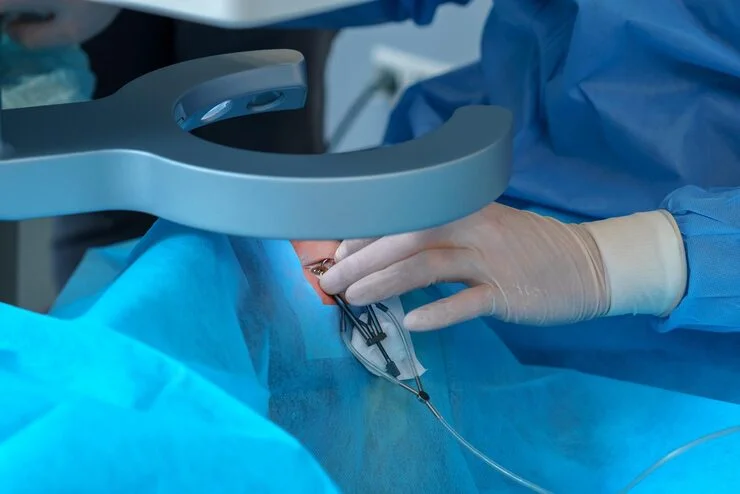
If persistent watering is caused by a significant blockage in the tear-drainage system and conservative treatment is not sufficient, your ophthalmologist may discuss Tear Duct Surgery in Yelahanka New Town.
One procedure that may be considered for certain tear-drainage blockages is dacryocystorhinostomy (DCR). The goal is to create or restore a pathway for tears to drain properly.
Whether DCR or another procedure is appropriate depends on the exact location and cause of the obstruction.
A detailed examination is therefore important before deciding on surgery.
Does Every Watery Eye Need Surgery?
No.
This is an important distinction.
Watery eyes caused by dry eye, allergies or temporary irritation may be managed without surgery. Surgery is generally considered only when there is an anatomical or structural problem that requires a procedure.
This is why getting the correct diagnosis should come before deciding on Eye Surgery in Bangalore.
Your ophthalmologist can explain whether medication, observation, a minor procedure or surgery is appropriate for your condition.
How Can You Find the Right Eye Care?
When searching for Watery Eyes Treatment in Yelahanka New Town, don’t focus only on whether a hospital offers surgery.
Look for comprehensive evaluation of:
- Dry eye
- Corneal conditions
- Eyelid disorders
- Tear-drainage problems
- Eye infections
- Other causes of excessive watering
The right diagnosis is the first step toward the right treatment.
Doctor’s Advice
Watery eyes are often treated as a minor inconvenience, but persistent watering can sometimes point to an underlying problem.
Don’t assume that you are simply producing too many tears. The problem may actually be that tears are not draining properly or that the surface of your eyes is irritated.
If your eyes are watering frequently, particularly if one eye is consistently affected, schedule an ophthalmic evaluation.
If a blocked tear duct is identified, your ophthalmologist can explain whether monitoring, medical treatment or a procedure such as tear-duct surgery is appropriate.
Frequently Asked Questions
1. Why do my eyes water constantly?
Constant watering can result from dry eyes, allergies, irritation, infections, eyelid problems or blocked tear ducts. An eye examination can help identify the specific cause.
2. Can dry eyes cause excessive watering?
Yes. Dryness can trigger reflex tearing. These watery tears may overflow without adequately stabilising the tear film.
3. How do I know if I have a blocked tear duct?
Persistent watering, particularly in one eye, may occur with a blocked tear duct. Discharge or recurrent infections near the inner corner of the eye can also occur. Your ophthalmologist can perform an examination to determine whether tear drainage is obstructed.
4. Does a blocked tear duct always require surgery?
No. Treatment depends on the cause and severity of the obstruction. Some cases may be managed conservatively, while persistent anatomical blockages may require a procedure or surgery.
5. When should I seek Watery Eyes Treatment in Yelahanka New Town?
Consider an eye consultation if watering is persistent, recurrent, affects one eye, interferes with vision or occurs with pain, redness, discharge or other symptoms.
Book an Eye Consultation
If your eyes have been watering frequently and you cannot identify the reason, don’t simply keep using over-the-counter eye drops without knowing the underlying cause.
A comprehensive examination can determine whether the problem is related to dry eyes, allergies, irritation, eyelid problems or tear-duct blockage and help you understand the appropriate treatment.
If a tear-drainage problem is identified, your ophthalmologist can also discuss whether Tear Duct Surgery in Yelahanka New Town is appropriate.