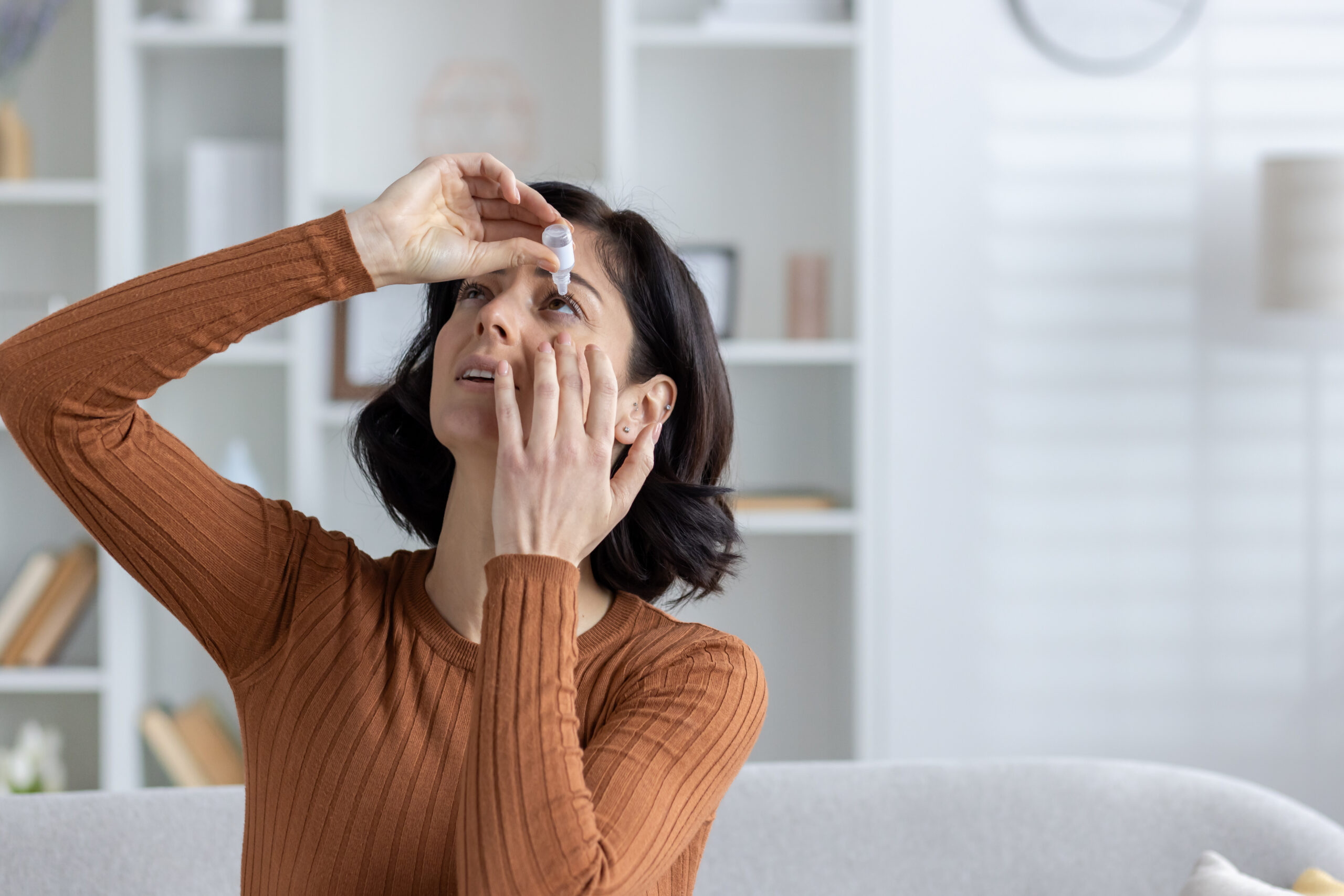
Dry eyes have become one of the most common eye-related complaints in India today. With increasing screen time, pollution, air conditioning, long working hours, and lifestyle habits, more people—across all age groups—are experiencing discomfort, irritation, and visual disturbance due to dryness in the eyes. What makes dry eye disease concerning is that it can be both a temporary issue and a chronic, progressive condition if left untreated. Understanding the causes, early symptoms, and the best available treatment options can help you manage the condition effectively and protect your long-term eye health.
This condition is no longer limited to older adults; even teenagers and working professionals are showing early symptoms. That is why many people search for reliable Dry eyes treatment in Hebbal and surrounding areas to get fast and effective relief.
What Is Dry Eye Disease?
Dry eye disease occurs when your eyes do not produce enough tears or when the tears evaporate too quickly. Tears are essential for maintaining clear vision, nourishing the surface of the eye, and protecting against infections. When tear quality or quantity drops, the eyes become irritated, gritty, and uncomfortable.
Dry eyes may be caused by environmental factors, underlying health issues, or lifestyle habits. Early diagnosis and proper treatment can prevent complications like corneal damage or chronic inflammation.
Common Causes of Dry Eye Disease
Understanding the root cause is crucial because not all cases of dry eyes are the same. Some of the most common reasons include:
1. Excessive Screen Time
Digital screens reduce your blink rate by nearly 60%. This leads to faster tear evaporation and dryness. Computer Vision Syndrome is one of the leading contributors to dry eyes today.
2. Aging
Tear production naturally decreases with age. People above 50 often experience dryness more frequently.
3. Environmental Conditions
Air-conditioned rooms, pollution, cigarette smoke, and dry weather affect tear stability.
4. Hormonal Changes
Pregnancy, menopause, and thyroid disorders can alter tear production.
5. Medications
Certain medicines—including antihistamines, acne treatments, antidepressants, and blood pressure medications—may reduce tear production.
6. Contact Lens Use
Long-term lens wear can irritate the cornea and disturb tear quality.
7. Autoimmune Diseases
Conditions like rheumatoid arthritis, lupus, and Sjögren’s syndrome directly affect tear glands.
8. Eye Conditions or Surgery
Refractive surgeries like LASIK can temporarily reduce tear production.
Symptoms You Should Never Ignore
Dry eye symptoms range from mild irritation to severe visual disturbance. Common signs include:
- Burning or stinging sensation
- Foreign body or sandy feeling in the eyes
- Redness or irritation
- Excessive watering (reflex tears)
- Blurred or fluctuating vision
- Sensitivity to light
- Difficulty wearing contact lenses
- Eye fatigue, especially after screen use
If these symptoms persist, it’s important to seek professional help. Many people from North Bengaluru prefer consulting specialists who offer advanced Dry eyes treatment in Hebbal–level expertise and diagnosis, even if they travel from nearby areas.
Latest & Most Effective Treatment Options for Dry Eyes
With advancements in ophthalmology, dry eye treatment is now more personalized, precise, and long-lasting. Below are the best solutions available today:
1. Artificial Tears & Lubricating Eye Drops
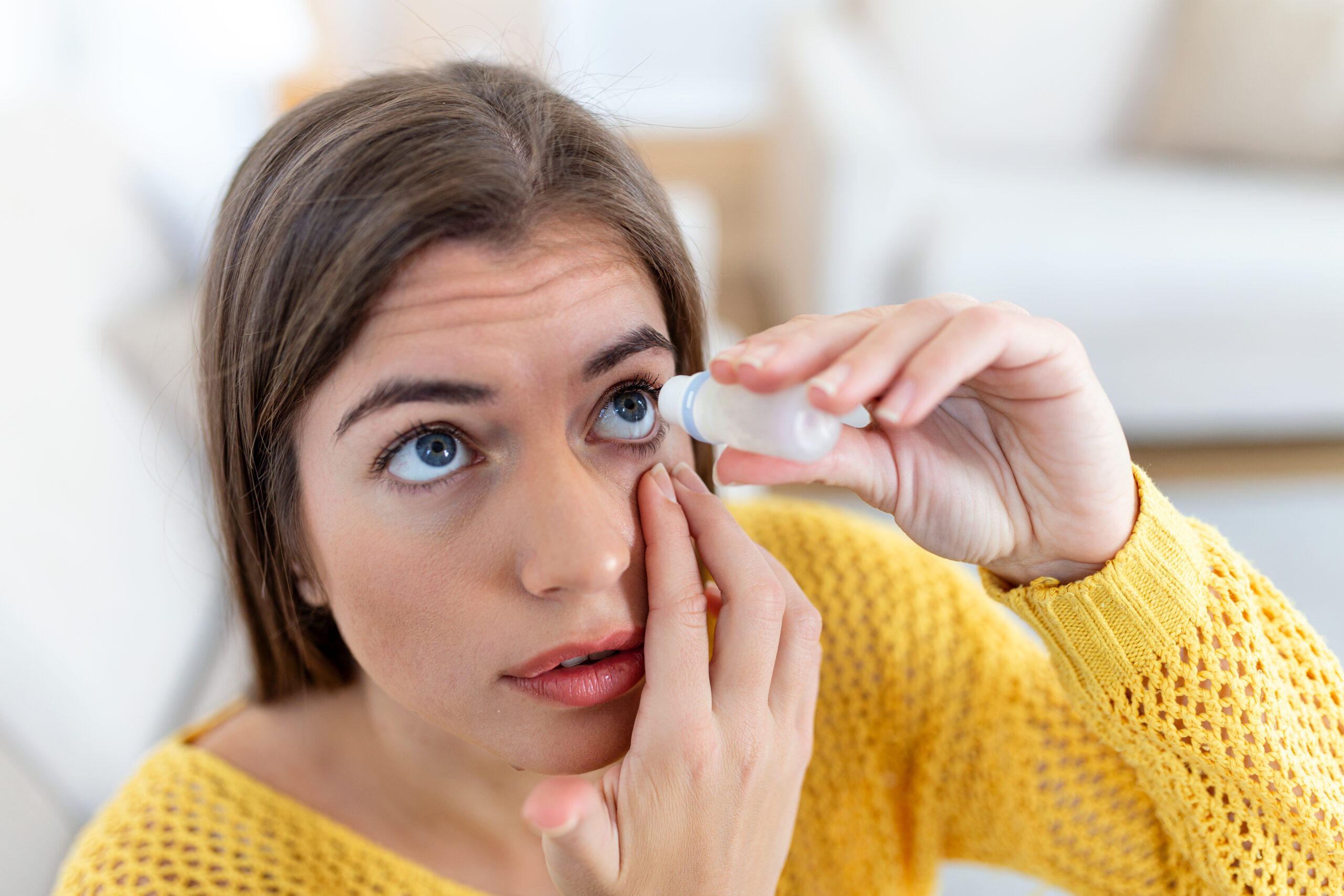
For mild to moderate dryness, artificial tear drops are the first-line treatment. They provide temporary moisture and relief. Preservative-free variants are recommended for long-term use.
2. Anti-inflammatory Eye Drops
In chronic dry eye cases, inflammation is a major cause. Doctors may prescribe:
- Cyclosporine drops
- Lifitegrast drops
- Steroid drops (short-term use)
These medications help improve tear quality and reduce swelling in the tear glands.
3. Warm Compress & Eyelid Hygiene
Blocked oil glands in the eyelids (Meibomian Gland Dysfunction) are a major cause of dryness. Warm compresses help open these glands, improving tear stability.
Daily eyelid cleaning with mild cleansing wipes or solutions can also prevent inflammation.
4. Punctal Plugs
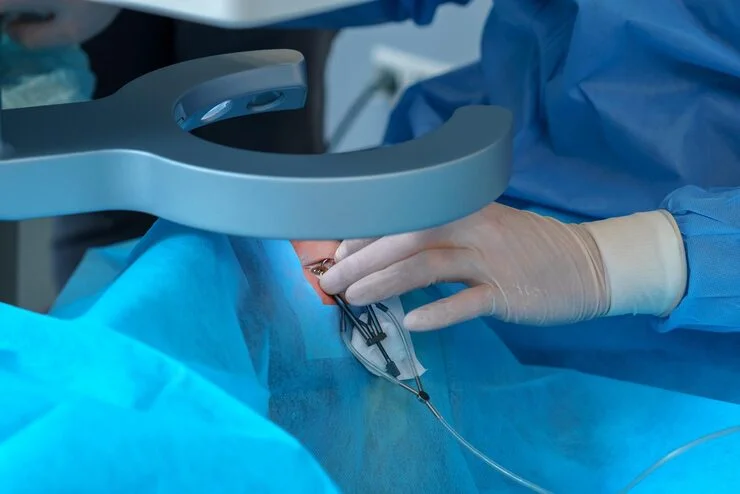
Punctal plugs are tiny devices placed in the tear ducts to prevent tears from draining too quickly. They help the natural tears stay longer on the eye surface, providing prolonged relief.
This is one of the most recommended options for people experiencing severe dryness.
5. LipiFlow & Thermal Pulsation Therapy
An advanced, technology-driven treatment for Meibomian Gland Dysfunction, LipiFlow applies heat and gentle pressure to unclog oil glands. This restores the tear film’s protective oil layer and significantly reduces dryness.
6. Intense Pulsed Light (IPL) Therapy
IPL therapy helps reduce inflammation around the eyelids and improves the function of oil glands. It is especially effective in chronic dry eye disease linked to rosacea and gland dysfunction.
7. Autologous Serum Eye Drops
In severe or treatment-resistant dry eye cases, serum eye drops made from the patient’s own blood are used. They closely mimic natural tears and offer excellent healing properties.
8. Lifestyle & Workstation Modifications
Dry eyes can be managed significantly through small lifestyle changes:
- Follow the 20-20-20 rule (look at something 20 feet away every 20 minutes for 20 seconds).
- Blink consciously during screen time.
- Use a humidifier in air-conditioned rooms.
- Stay well-hydrated.
- Take regular breaks during long working hours.
These changes help reduce strain and promote healthy tear production.
When Should You See a Doctor?
You should consult an ophthalmologist if:
- Symptoms last more than a few days
- Over-the-counter lubricants do not help
- You experience blurred vision or severe redness
- Contact lens use becomes painful
- You notice fluctuating vision or eye fatigue
Chronic dryness can damage the cornea permanently. Many people seek professional Dry eyes treatment in Hebbal–level care to ensure expert evaluation, advanced diagnostics, and long-term relief.
Why Choose Yashoda Nethralaya for Dry Eye Treatment?
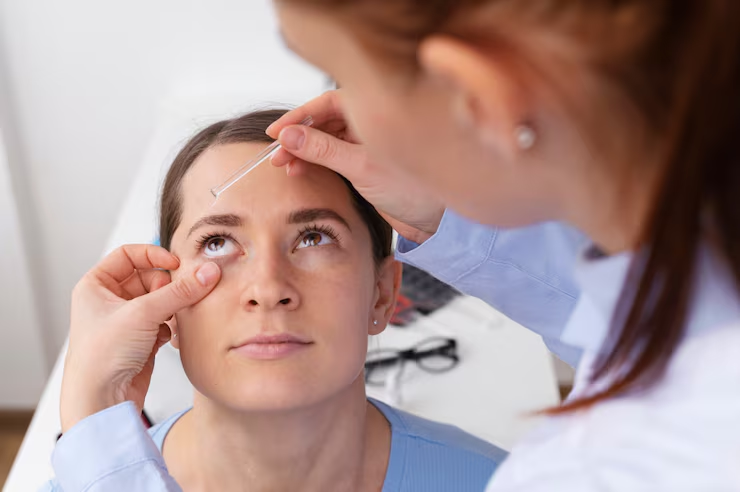
Yashoda Nethralaya offers comprehensive diagnosis and specialized dry eye care using advanced diagnostic tools such as tear film analysis, imaging systems, gland evaluation, and personalized treatment plans.
Their ophthalmologists follow a patient-focused approach, ensuring every individual receives precise treatment based on the severity and cause of their condition.
Whether the dryness is due to screen exposure, environmental factors, allergies, or gland dysfunction, the specialists at Yashoda Nethralaya ensure accurate diagnosis and long-lasting relief.
Book an Appointment Today
If you’re experiencing consistent dryness, irritation, or discomfort in your eyes, now is the right time to seek expert care. Early treatment helps prevent complications and ensures healthier, more comfortable vision.
📍 Yashoda Nethralaya
Address:
1st floor, Sai Pranam’s building, 278, Kogilu Main Rd, Maruthi Nagar, Yelahanka, Bengaluru, Karnataka 560064, India
📞 Call Us:
+91 9900611679
+91 9482091679
🕒 Office Hours:
Mon – Sat: 9:30 AM – 8:30 PM
Sun: Closed
📧 Email Support:
[email protected]
[email protected]
Your eyes deserve the best care—get relief and long-term comfort with expert treatment at Yashoda Nethralaya.