When preparing for surgery related to diabetes, high blood pressure (BP), or thyroid disorders, most patients focus on blood tests, ECGs, and physician clearances. However, one important aspect of pre-surgical evaluation is often overlooked – an eye examination, particularly retina screening.
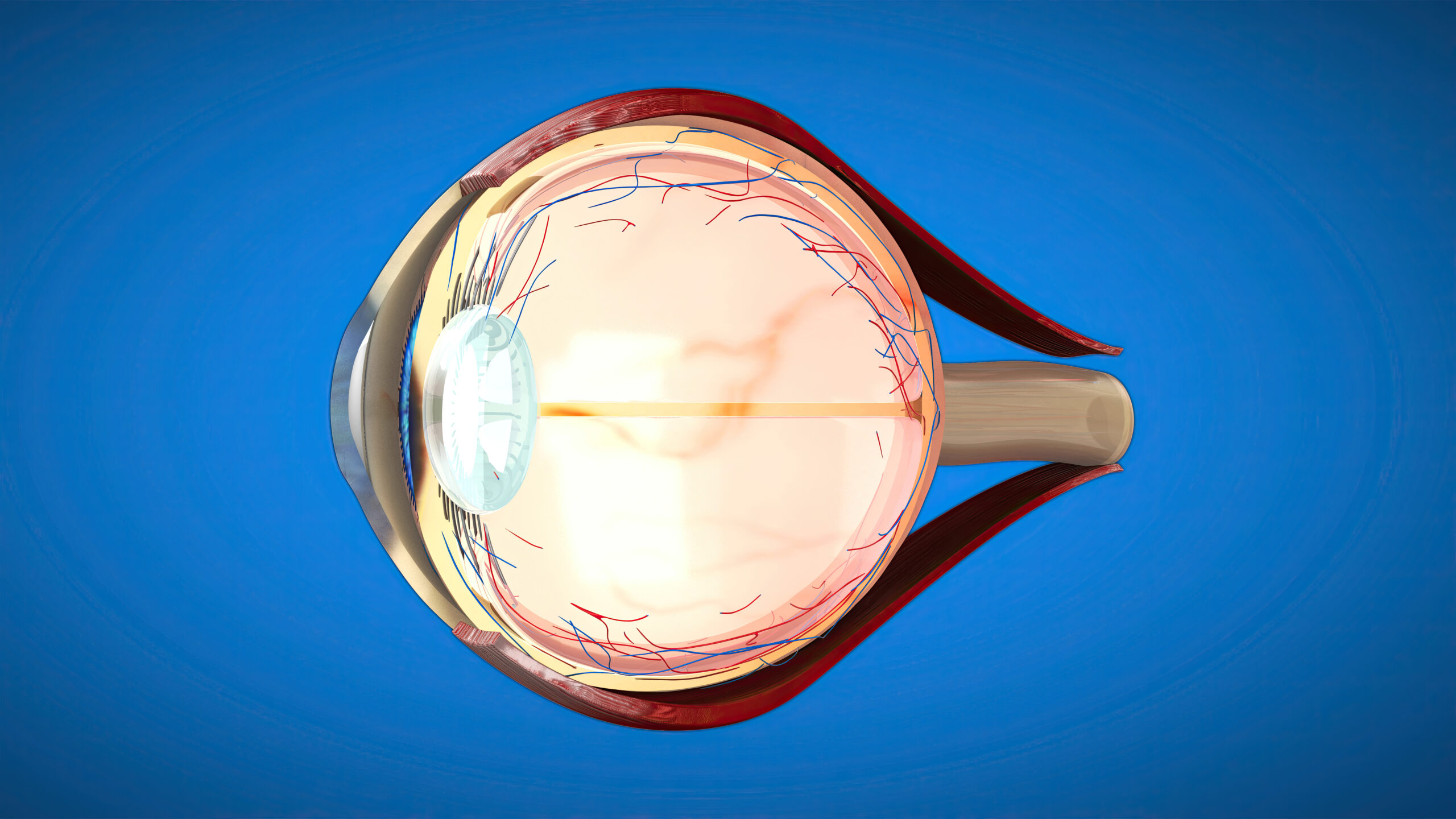
The retina is a sensitive layer at the back of the eye that can reveal early signs of systemic diseases such as diabetes, hypertension, and thyroid disorders. Changes in retinal blood vessels often reflect the overall health of your body and may help doctors identify complications before surgery.
At Yashoda Nethralaya, comprehensive retina evaluations are recommended for patients with diabetes, hypertension, and thyroid conditions to ensure optimal surgical outcomes and long-term eye health.
Why Is Retina Screening Important Before Surgery?
The retina contains tiny blood vessels that can be affected by chronic medical conditions. Diseases such as diabetes and hypertension can silently damage these vessels for years before symptoms become noticeable.
A retina screening helps identify:
- Diabetic retinopathy
- Hypertensive retinopathy
- Retinal swelling or bleeding
- Optic nerve changes
- Thyroid eye-related complications
- Macular edema
- Retinal vascular abnormalities
Detecting these issues before surgery allows healthcare providers to take necessary precautions and minimize risks associated with surgical procedures.
Diabetes and Eye Health: A Critical Connection
Diabetes affects blood vessels throughout the body, including those in the eyes. Elevated blood sugar levels can damage retinal blood vessels, leading to diabetic retinopathy, one of the leading causes of vision loss worldwide.
Many diabetic patients may not experience symptoms in the early stages. By the time vision changes occur, significant retinal damage may already be present.
Before undergoing any planned surgery, retina screening helps determine:
- The severity of diabetic eye disease
- Presence of retinal bleeding
- Macular swelling
- Risk factors that may require treatment before surgery
Consulting a Retina Specialist in Yelahanka can help diabetic patients understand their retinal health and prevent avoidable vision complications.
High Blood Pressure and Retinal Damage
High blood pressure affects the small arteries throughout the body. The retinal blood vessels are particularly vulnerable to these changes.
Uncontrolled hypertension can lead to:
- Narrowing of retinal arteries
- Retinal hemorrhages
- Cotton wool spots
- Swelling of the optic nerve
- Reduced blood flow to retinal tissues
These changes may not produce noticeable symptoms initially. A detailed retinal examination can reveal the extent of vascular damage and provide valuable information about overall cardiovascular health.
Patients scheduled for BP-related treatments or surgeries should consider retinal screening as part of their pre-operative assessment.
Thyroid Disorders and Eye Complications
Thyroid diseases, particularly autoimmune thyroid disorders, can significantly affect eye health.
Some patients develop Thyroid Eye Disease (TED), which can cause:
- Eye bulging
- Double vision
- Dry eyes
- Eyelid abnormalities
- Optic nerve compression in severe cases
Retina and optic nerve evaluations become particularly important before thyroid surgery to identify any vision-threatening complications.
An experienced Retina Specialist in Yelahanka can assess retinal and optic nerve health and guide patients on the appropriate treatment pathway.
What Happens During a Retina Screening?
Retina screening is a painless and non-invasive procedure.
The examination typically includes:
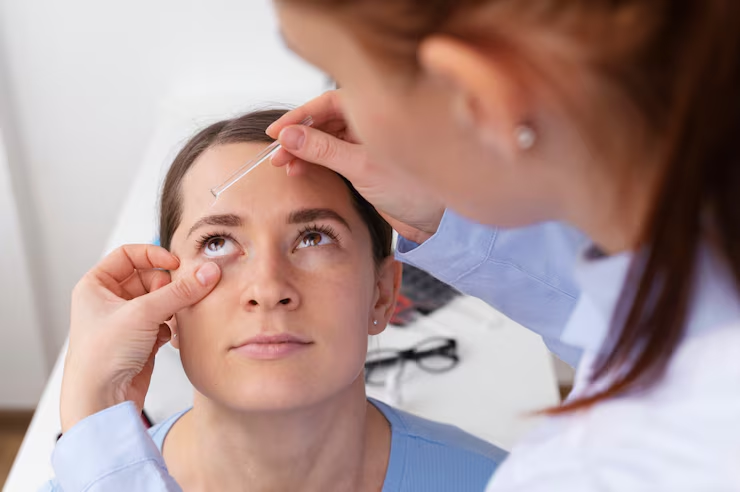
Dilated Eye Examination
Special eye drops are used to enlarge the pupil, allowing detailed visualization of the retina.
Retinal Imaging
Advanced imaging technologies capture high-resolution images of the retina to detect subtle abnormalities.
Optical Coherence Tomography (OCT)
OCT provides cross-sectional images of retinal layers and helps identify swelling or structural changes.
Blood Vessel Evaluation
The retinal blood vessels are examined for signs of leakage, blockage, narrowing, or bleeding.
These assessments provide a comprehensive picture of retinal health and help doctors make informed decisions before surgery.
Benefits of Retina Screening Before Surgery
Many patients wonder why an eye examination is necessary before procedures unrelated to the eyes. The answer lies in the retina’s ability to reflect systemic health conditions.
Benefits include:
Early Detection of Hidden Complications
Retinal abnormalities often appear before symptoms develop elsewhere in the body.
Better Surgical Planning
Doctors can identify risk factors that may influence surgical outcomes and anesthesia management.
Prevention of Vision Loss
Timely detection allows treatment before irreversible retinal damage occurs.
Monitoring Disease Progression
Retina screening establishes a baseline for future comparisons and disease monitoring.
Improved Long-Term Health Outcomes
Addressing retinal and systemic complications early can contribute to better overall health management.
Who Should Undergo Retina Screening?
Retina evaluation is highly recommended for individuals who:
- Have diabetes
- Have high blood pressure
- Have thyroid disorders
- Are over 40 years of age
- Have a family history of retinal diseases
- Experience blurred vision
- Notice floaters or flashes of light
- Are planning major surgery
Even if vision appears normal, retinal changes can still be present.
Why Choose Yashoda Nethralaya for Retina Evaluation?
Choosing an experienced eye care center is essential for accurate diagnosis and preventive care.
Yashoda Nethralaya offers:
- Comprehensive eye examinations
- Advanced retinal imaging technology
- Personalized patient care
- Experienced ophthalmology specialists
- Early detection and management of retinal diseases
The hospital focuses on preventive ophthalmology and timely intervention, helping patients protect their vision while preparing for important medical procedures.
If you are planning surgery for diabetes, hypertension, or thyroid conditions, consulting a Retina Specialist in Yelahanka can provide valuable insights into your eye health and overall well-being.
Final Thoughts
An eye check-up before diabetes, BP, or thyroid surgery is more than just a precaution—it is an important part of comprehensive healthcare. The retina often reveals early signs of disease that may otherwise go unnoticed.
Retina screening can detect vision-threatening complications, improve surgical safety, and support better long-term health outcomes. Whether you have diabetes, hypertension, or thyroid disease, prioritizing retinal evaluation before surgery is a proactive step toward protecting both your eyesight and your overall health.
At Yashoda Nethralaya, patients receive thorough retinal assessments designed to identify hidden complications and ensure the best possible care. Consulting a Retina Specialist in Yelahanka before surgery can help you make informed healthcare decisions and safeguard your vision for years to come.
Frequently Asked Questions
1. Why should diabetic patients undergo retina screening before surgery?
Diabetes can damage retinal blood vessels without causing symptoms. A retina screening helps identify diabetic retinopathy and other complications before surgery, allowing timely management and reducing the risk of vision loss.
2. Can high blood pressure affect my retina even if my vision is normal?
Yes. Hypertension can damage retinal blood vessels long before symptoms appear. A detailed retinal examination can detect these changes early and help guide treatment decisions.
3. Where can I get a comprehensive retina screening in Yelahanka?
Patients seeking advanced retinal evaluation and preventive eye care can visit Yashoda Nethralaya, where experienced specialists perform detailed retina assessments using modern diagnostic technology.